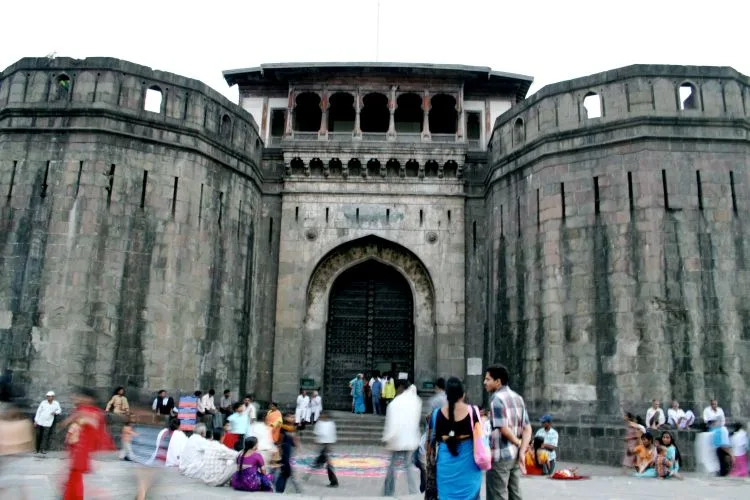
Shaniwar Wada Fort is one of the most famous and mysterious places in Pune, Maharashtra. It is known for its rich history, grand architecture, and mysterious story. The fort attracts thousands of visitors every year from all across the world. This place was the residence of the powerful Peshwas of the Maratha Empire, The fort stands as a symbol of the glory and strength of Maratha rule in India.
The original palace was destroyed in a massive fire, but the remaining walls, gates, and foundations still reflect the magnificent history of the past. Today, the fort is an important tourist destination and a proud symbol of Maharashtra’s cultural heritage.
The History of Shaniwar Wada Pune: Who Built It and Why?
The fort was built in 1732 by Peshwa Bajirao I, one of the greatest military leaders of the Maratha Empire. The foundation stone of the palace was laid on a Saturday, which is why it was named “Shaniwar Wada.” In Marathi, “Shaniwar” means Saturday and “Wada” means mansion or palace.
The fort served as the headquarters of the Peshwas for many years and became the political center of the Maratha Empire. Important meetings, royal celebrations, and military planning took place within its walls. During its peak, the palace was known for its luxurious interiors, artistic designs, and magnificent architecture.
In 1828, a huge fire destroyed most of the wooden structure of the palace. The fire continued for several days and left behind only the stone structures and outer walls that visitors see today.
Architecture of Shaniwar Wada: Exploring the Gates and Fountains
A fire destroyed most of the seven-story palace. But even today, you can still see the stone foundations, strong walls, and clever water systems. The fort shows how Maratha builders mixed military strength with royal beauty. The fort is surrounded by five mighty gates, or Darwazas, each designed with a unique strategic and cultural purpose. Even today, as you walk through the grounds, these massive entryways reflect the strength and defensive planning of the fort’s architecture.
- Delhi Darwaza (Delhi Gate) – This is the main entrance, facing north toward Delhi. It is big enough for armored elephants to walk through. Look at the wooden doors—you’ll see 72 sharp iron spikes. They were placed there to stop enemy elephants from breaking the gate down.
- Mastani Darwaza (Mastani Gate) – Facing northeast, this gate is named after Mastani, Bajirao I’s second wife. She used this gate to enter and leave the palace.
- Khidki Darwaza (Window Gate) – Facing east, this gate has a small, protected window built into it. Guards could look outside without opening the doors.
- Ganesh Darwaza (Ganesh Gate) – Near the southeast corner, this gate let the royal family go easily to the nearby Kasba Ganpati Temple.
- Jambhul Darwaza (Narayan Gate) – It was first called Jambhul Gate. Later, it was renamed after the young Peshwa Narayanrao, because his body was secretly taken out through this gate after he was murdered.
The Murder of Narayanrao Peshwa: The Dark History
One of the darkest chapters in the history of Shaniwar Wada is the tragic murder of Narayanrao Peshwa. In 1773, the young Peshwa was allegedly killed inside the palace during a political conspiracy involving his uncle, Raghunathrao, and aunt, Anandibai. According to popular legend, Narayanrao’s desperate cries for help echoed through the corridors of the Wada on the night of his death, making the incident one of the most haunting and controversial stories in Maratha history.
Shaniwar Wada Ghost Story: Is the Pune Fort Really Haunted?
Shaniwar Wada is not only famous for its history but also for the mysterious stories connected with it. According to local legends, the fort is haunted by the spirit of Narayanrao Peshwa, who was tragically murdered inside the palace during a political conspiracy in 1773.
Many people believe that strange sounds and cries can still be heard at night within the fort premises. While these stories are based on folklore, they continue to attract curious visitors to this mysterious place.
Shaniwar Wada Fire: How Was the Great Peshwa Palace Destroyed?
The magnificent fort, once the grand palace of the Peshwas, was largely destroyed in a massive fire that broke out in 1828. The blaze raged for several days and destroyed the seven-storey palace, leaving it in ruins, leaving behind only the strong stone fortifications, gates, and foundations visible today. Although the exact cause of the fire remains uncertain, historians believe it may have started accidentally within the wooden sections of the palace, which allowed the flames to spread rapidly. The tragedy marked the end of one of the finest architectural symbols of the Maratha Empire.
Shaniwar Wada Light and Sound Show Timings and Ticket Prices
The Light and Sound Show at Shaniwar Wada is one of the most popular evening attractions in Pune, showcasing the history of the Peshwas through dramatic narration, music, and lighting effects.
| Category | Details |
|---|---|
| Light & Sound Show (Marathi) | 7:15 PM – 8:10 PM |
| Light & Sound Show (English) | 8:15 PM – 9:10 PM |
| Ticket Counter Timings | 6:30 PM – 8:30 PM |
| Light & Sound Show Ticket Price | ₹25 per person |
| Regular Fort Entry Timing | 9:00 AM – 5:30 PM / 6:30 PM |
| Best Time to Arrive | 20–30 minutes before the show |
| Popular Choice for Tourists | English Show |
Visitor Tip: Arrive at least 20–30 minutes early, especially on weekends and holidays, as the evening shows can get crowded. The English show is usually preferred by tourists visiting Pune for the first time.
Best Time to Visit
The best time to visit the fort is during the winter season, from October to February, when the weather in Pune is pleasant and comfortable for sightseeing.
Morning and evening hours are ideal for exploring the fort and taking photographs. The evening atmosphere becomes especially beautiful when the fort is illuminated during the light and sound show.
How to Reach Shaniwar Wada
- By Train: Nearest station is Pune Junction Railway Station, about 3.5 km away. Auto or cab takes around 15–20 minutes.
- By Air: Pune International Airport is about 11–12 km away. Cab ride usually takes 35–50 minutes.
- By Metro: Nearest stations are PMC Metro Station and Mandai Metro Station. From there, it is a short walk or auto ride.
- By Bus: Buses from Pune Station, Swargate, and Shivajinagar stop near Shanipar/Shaniwar Wada.
- By Road: Shaniwar Wada is in central Pune and easily accessible by car, cab, or bike, though parking may be limited on weekends.
Conclusion
Shaniwar Wada Fort is more than just a historical monument. It is a symbol of courage, leadership, architectural excellence, and the glorious legacy of the Maratha Empire. The fort continues to inspire visitors with its rich history, impressive design, and mysterious legends.
A visit to Shaniwar Wada offers a unique opportunity to step back into India’s royal past and experience the grandeur of Maratha heritage. Anyone traveling to Pune should definitely include this iconic fort in their travel plans.